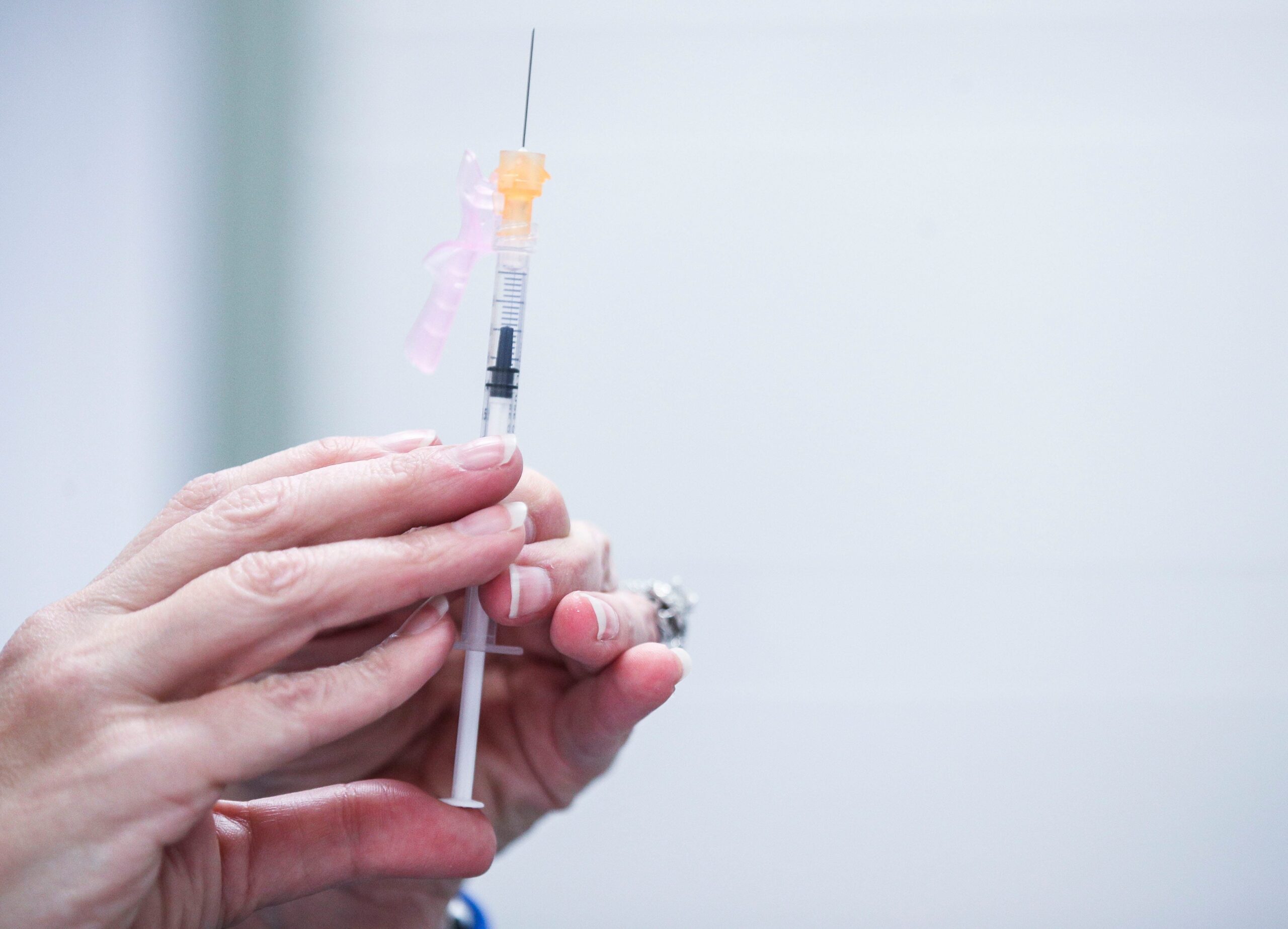
The shingles vaccine helps slow the progress of dementia, a new study suggests.
The research, published Tuesday, adds to a growing body of evidence that getting vaccinated against shingles offers protection against dementia – one of the leading causes of disability and death among older people.
MORE: After a lifetime of seasonal depression, I finally tried light therapy. Here's what I learned
"The most exciting part is that this really suggests the shingles vaccine doesn't have only preventive, delaying benefits for dementia, but also therapeutic potential for those who already have dementia," said Dr. Pascal Geldsetzer, the study's senior author.
Approximately 7 million people in the United States, and 57 million people across the globe, are living with dementia, the most common type being Alzheimer's disease. And the numbers are projected to rise.
New cases of dementia in the United States are expected to double from about 500,000 in 2020 to more than 1 million in 2060. Worldwide, dementia cases are expected to double every 20 years, reaching 78 million in 2030 and 139 million in 2050.
Shingles, which occurs years after a chickenpox infection, appears as a painful rash and can lead to persistent nerve pain. The shingles vaccine lowers the risk of getting shingles and health complications from the disease.
The new study found that people who were vaccinated against shingles were less likely to be diagnosed with mild cognitive impairment, a precursor to dementia, nine years later than people who were unvaccinated.
Among people diagnosed with dementia, those who had the shingles vaccine were also significantly less likely to die from dementia in the next nine years, compared to people who did not get vaccinated.
The study is a follow-up to research published in April that found older adults vaccinated against shingles were 20% less likely to get dementia than people who were unvaccinated.
The research stemmed from a public health program in Wales that offered the shingles vaccine to people who were 79 on Sept. 1, 2013 — when the program began. People who were 80 or older were ineligible for the shots.
This delineation meant that researchers could isolate the effect of being vaccinated by comparing people who turned 80 just before Sept. 1, 2013 to people who turned 80 right after that date.
"What makes the study so powerful is that it's essentially like a randomized trial with a control group — those a little bit too old to be eligible for the vaccine — and an intervention group — those just young enough to be eligible," Geldsetzer said.
Have any thoughts?
Share your reaction or leave a quick response — we’d love to hear what you think!
-
 0
0
-
 0
0
-
 0
0
-
 0
0
-
 0
0
-
 0
0