
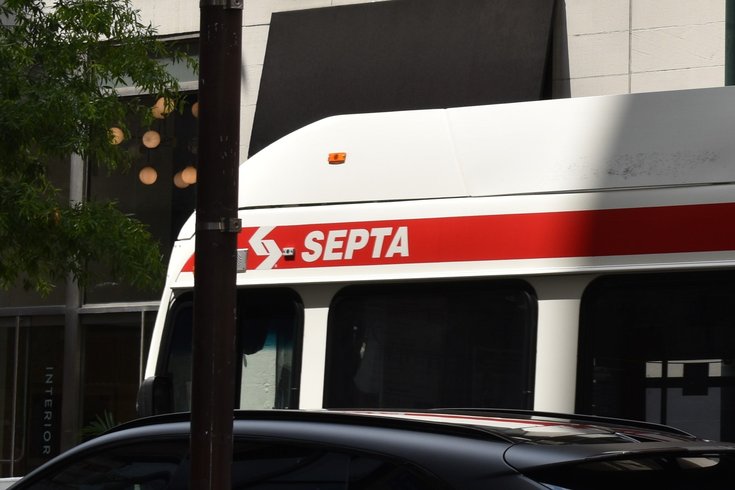
SEPTA and the Transport Workers Union Local 234 came to a tentative agreement Monday on a two-year contract that averts a strike by the authority's largest bargaining unit.
The deal includes a 3.5% across-the-board wage increase in each year of the contract, a boost in pension benefits for retiring TWU workers and the first increase in differential night pay since 1995, union leaders said. It contains a higher allowance for tools and clothing and improved health care benefits for new employees, who will now get plans that include vision and dental coverage after 90 days instead of 15 months.
MORE: These Philly groups are accepting food, clothes and gift donations during the holidays
SEPTA officials said the deal also includes improvements for managing worker absences to ensure service reliability when staffing levels are light.
The union must vote to ratify the new contract before it is approved by SEPTA's board.
The union and SEPTA reached the agreement after resuming negotiations at the urging of Gov. Josh Shapiro, who brought the sides back to the negotiating table Sunday night to prevent a strike. The union represents about 5,000 bus, trolley and subway operators along with mechanics, cashiers, maintenance workers and custodial staff.
"The Governor and his people got key people from both sides in the same room last night, stopped the run-around, got promises from both sides and we reached a deal," TWU Local 234 President Will Vera said in a statement. "Without the Governor's intervention we would have been on strike this morning."
The union had been operating without a contract since Nov. 7, when the one-year contract signed last year expired. Union leaders had voted in mid-November to authorize a strike if negotiations failed, and Vera had threatened a walkout last Friday.
On Monday, Vera described the tentative deal as a "retention contract" with improvements that will keep current members on board and attract new employees. The union's ranks are mostly in Philadelphia, with a Frontier division covering workers in the suburbs.
SEPTA Board Chair Kenneth E. Lawrence Jr. and General Manager Scott A. Sauer also praised Shapiro for getting involved in contract discussions over the weekend. Sauer called the deal "fiscally responsible" to SEPTA's frontline workers.
SEPTA still needs to reach a new contract with SMART Local 1594, another union that represents more than 300 bus, train and trolley operators in Montgomery, Delaware and Chester counties. That union, also known as SEPTA's Victory district, voted to authorize a strike after their last one-year contract expired last month.
"We expect to be able to move those talks along now that this is in place," SEPTA spokesperson Andrew Busch said after Monday's agreement was reached with TWU Local 234. "This contract sets the basic pattern for the others in terms of wages and benefits."
Shapiro's involvement in spurring negotiations marks the governor's latest intervention to prevent disruptions at SEPTA, whose mass transit service is used by about 790,000 people on an average weekday.
Shapiro also stepped in last month to get SEPTA a $220 million infusion from PennDOT's Public Transit Trust Fund to expedite the restoration of Regional Rail service, which has been curtailed by a federally-mandated inspection of the Silverliner IV fleet. Some of the funds will be used for other capital projects, including the replacement of overhead wiring for the trolley system and upgrades to escalators at 13 stations.
Over the summer, Shapiro and Democratic lawmakers in the state pushed to find a long-term funding solution for public transportation agencies during prolonged budget negotiations. A deal never materialized, prompting SEPTA to tap into capital funds to cover its operational costs for the next two years.
Have any thoughts?
Share your reaction or leave a quick response — we’d love to hear what you think!
-
 0
0
-
 0
0
-
 0
0
-
 0
0
-
 0
0
-
 0
0