Having a baby isn't all cuddles and coos. The postpartum period is marked by sleepless nights, upturned schedules, hormone shifts – and sometimes severe depression and anxiety. Adding to all that is dealing with weight gained during pregnancy.
Now more women appear to be turning to popular GLP-1 drugs to try to lose baby weight, a new Danish study suggests, despite the fact that little is known about the safety of using these medications while nursing.
MORE: Even a weeklong break from social media improves mental health, study says
The research published Monday in JAMA Network found that after semaglutide — which includes brand names Ozempic and Wegovy — came to market, prescriptions for these medications rose shapely in postpartum, which refers to the period after giving birth that can last from six to eight weeks up to a year.
In 2018, there were fewer than five GLP-1 prescriptions per 10,000 women after giving birth. But by 2024, that number jumped to 173 prescriptions per 10,000 – nearly 2% of all new mothers, according to the study.
"In just a few years, GLP-1 medications have become a real part of postpartum care for many women, even though the postpartum period is a time when the body is already undergoing major hormonal shifts, natural weight loss, and a gradual return to physiological balance," Mette Bliddal, one of the researchers from the University of Southern Denmark in Odense, told MedPage Today.
Based on the body mass index of most of the women in the study who used the weight-loss drugs postpartum, and the fact that they had not taken these medications before pregnancy, suggested "… that the primary indication for use was weight reduction," the researchers said.
Most women naturally lose about 13 pounds during delivery and even more weight in the days after giving birth due to loss of fluids, according to the Mayo Clinic.
The body is also undergoing significant hormonal shifts, including a drop in estrogen and progesterone and a rise in oxytocin and prolactin. Those changes are different for each woman and are affected by breastfeeding, according to Parents.
But not enough research exists to show how GLP-1s impact these natural postpartum changes.
“We simply do not know how weight-loss medication interacts with those processes or whether it could affect normal physiological recovery,” Dr. Jonathan Zipursky, a clinical pharmacologist and toxicologist at the University of Toronto, told the New York Times.
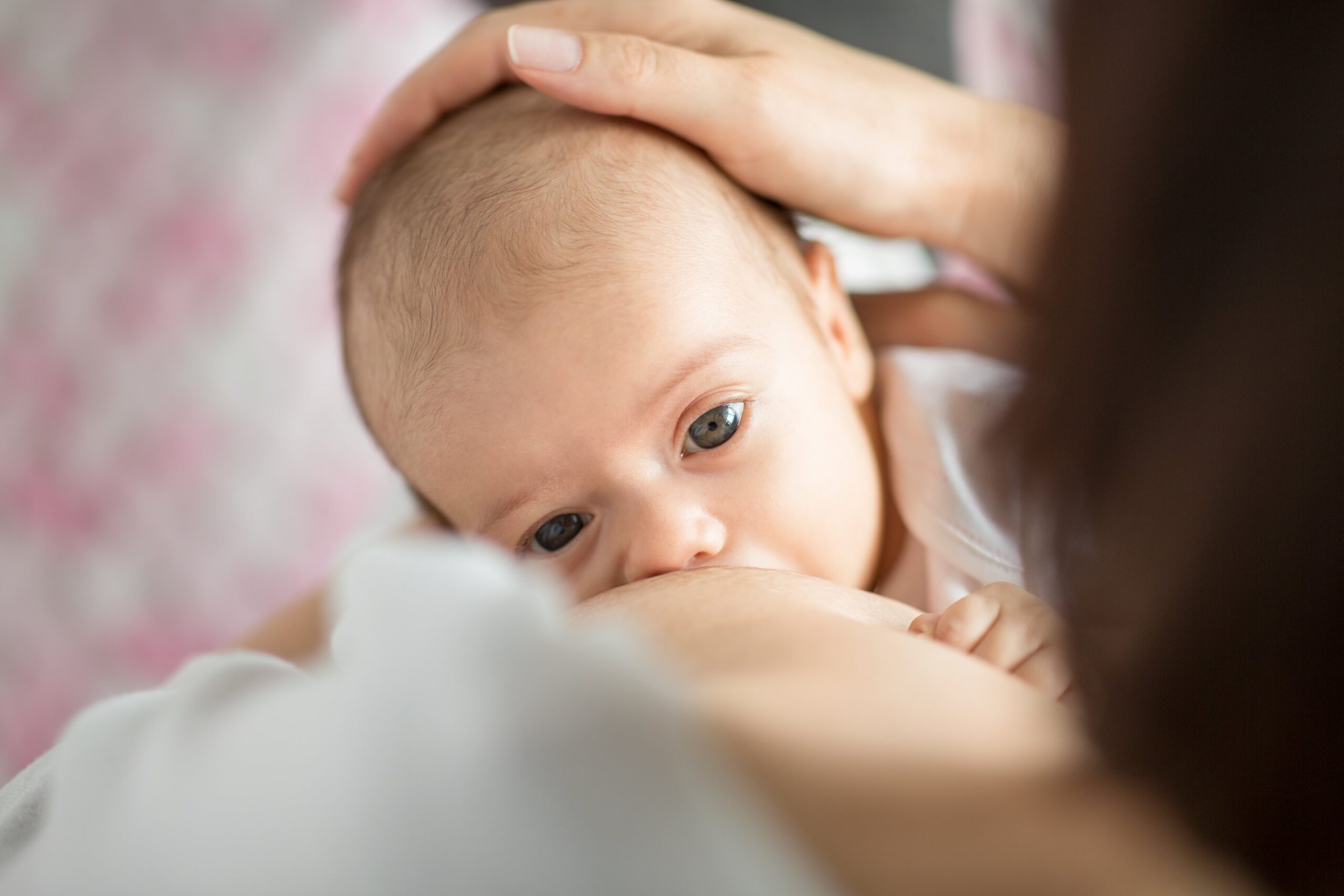
Additionally, little research exists about how these drugs may transfer to breastmilk or whether exposure to them is safe for nursing babies.
A 2024 paper in the Canadian Medical Association Journal cited by the New York Times said that these medications are unlikely to enter breast milk at high levels of concentration and that they would likely break down in babies' stomachs.
Still, the lack of data means women who breastfeed should probably refrain from taking them after giving birth, Zipursky told the New York Times.
“I think that out of an abundance of caution, they should not be used in breastfeeding," he said.
Have any thoughts?
Share your reaction or leave a quick response — we’d love to hear what you think!
-
 0
0
-
 0
0
-
 0
0
-
 0
0
-
 0
0
-
 0
0