
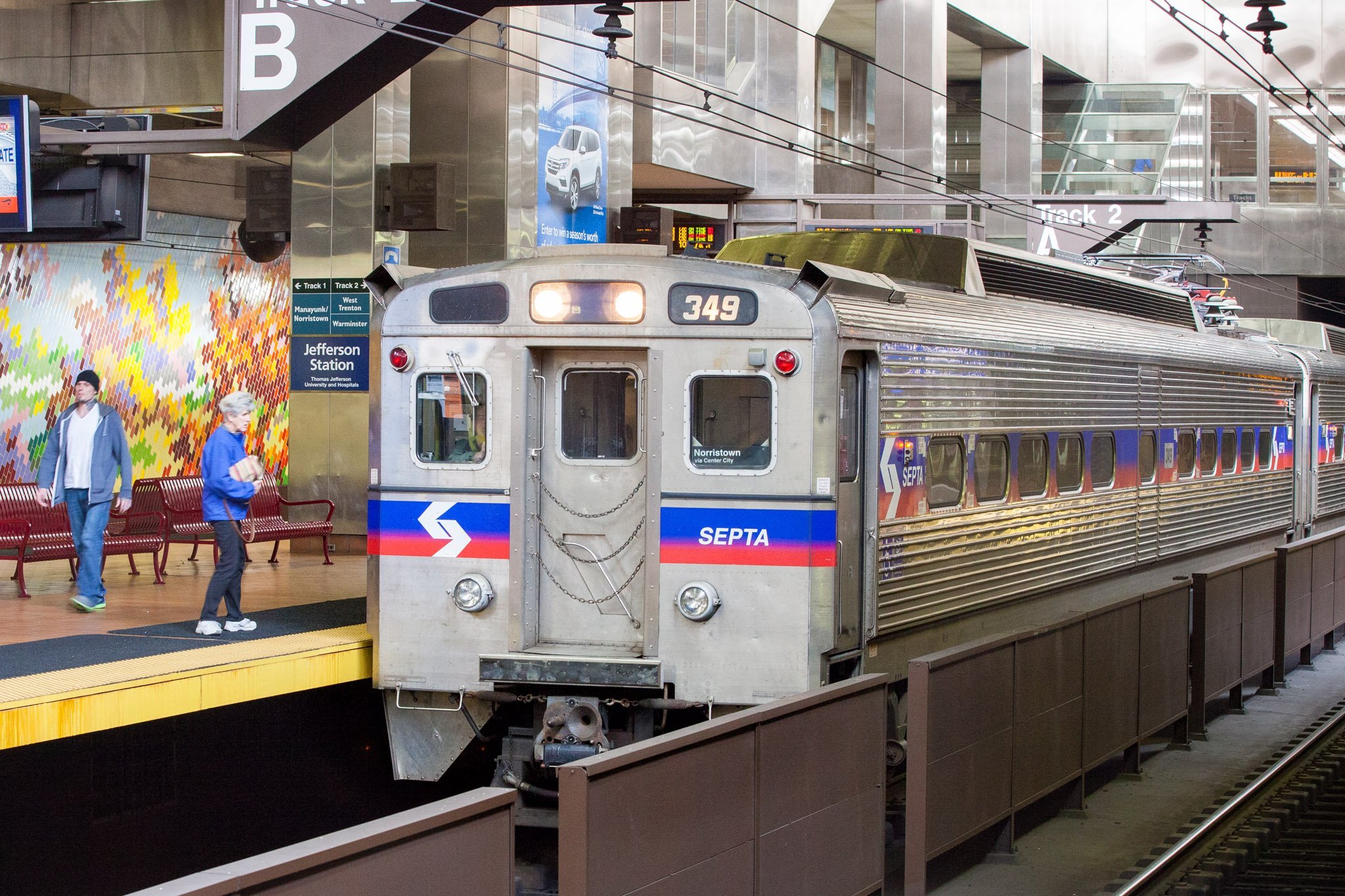
Regional Rail service is expected to be fully restored by Christmas due to an infusion of $219.9 million from PennDOT, SEPTA officials said Monday.
Much of the money will be used to repair SEPTA's Silverliner IV fleet and lease railcars from other transit systems as SEPTA seeks to replace the decades-old Silverliner IV cars. Earlier this month, SEPTA completed a federally-mandated inspection of the fleet. The inspections led to train delays and cancellations that have persisted as the cars undergo repairs.
MORE: More people to travel for Thanksgiving this year than in 2024
Gov. Josh Shapiro directed PennDOT to tap into state's Public Transit Trust Fund, which is used for emergencies, to help SEPTA pay for various capital improvements, the Inquirer reported. With the money, SEPTA also will replace the catenary wires used by its trolley system, upgrade escalators at 13 stations and complete other capital projects.
SEPTA wants to replace its Silverliner IV trains with new trains, which are among the oldest in the country and prone to electrical fires, but Shapiro said that process could take a decade.
"SEPTA riders don't have the kind of time to wait 10 years and I don't have the patience to wait 10 years," Shapiro said at a press conference. "But, with this action today, we can ensure that for as long as these rail cars are used, they will be safe and they will be effective modes of transportation for riders in and around the Philadelphia area."
About 100 Silverliner IV cars have been repaired and are back in service, Shapiro said. Another 180 cars are expected to be operational by mid-to-late December, allowing SEPTA to fully restore its regular Regional Rail schedules. SEPTA's evening express trains returned Monday afternoon.
The $219.9 million infusion comes two months after the Shapiro administration allowed SEPTA to use $394 million in capital assistance funds to cover its operating costs.
"This money will be earmarked for projects that can begin quickly within the next several months and enhance safety and reliability on the system," SEPTA General Manager Scott Sauer said.
The improvements will allow SEPTA crews to better anticipate safety issues before they happen, Sauer said. They include installing artificial intelligence-powered cameras to perform remote inspections of certain components.
Here's how officials said the money will be spent:
• $95 million will cover safety and electrical system enhancements to the Silverliner IV cars, which date to the 1970s. The money also will pay for upgrades to SEPTA's Silverliner V cars.
• $51.5 million will fund escalator upgrades at 13 SEPTA stations and the purchase of advanced inspection technology. It also will be used to implement safety improvements at SEPTA's control center.
• $48.4 million will be used to replace the overhead catenary wires on SEPTA's trolley and rail systems, and to purchase equipment needed to improve trolley inspections and maintenance.
• $17 million will allow SEPTA to lease 10 railcars from the Maryland Area Rail Commuter system and pursue the purchase of 20 additional railcars from Montreal's Exo system.
• $8 million will cover new traction motors and door operator upgrades for SEPTA's subways.
Earlier this month, Sean Duffy, the U.S. Secretary of Transportation, said SEPTA's safety issues stem from mismanagement and vowed to work with state and local officials on a long-term solution. On Monday, Sauer said he was not aware of any new federal funding coming to the transit authority.
In October, SEPTA said it must postpone several capital projects, including the purchase of new buses and upgrades to Regional Rail stations, because the $394 million in state capital assistance funds were being diverted instead to cover its operations.
The $219.9 million is a lifeline, Sauer said.
"These are funds that we would have had to find elsewhere to do this work … which probably would have meant more projects being deferred," Sauer said. "… Now we can do lots other things that we did not have funding to do. That will allow us to get in front of crises and we can now do some preventive work to look for the next problem that's out on the horizon before it impacts customers."
Have any thoughts?
Share your reaction or leave a quick response — we’d love to hear what you think!
-
 0
0
-
 0
0
-
 0
0
-
 0
0
-
 0
0
-
 0
0